Image
share:


Isn’t it wonderful to have your furry friend run up to you and shower your face with some kisses? It’s such an amazing feeling, until you realize “my dog’s breath stinks”. While occasional bad breath can happen, persistent, bad odor from a dog’s mouth should not be ignored.
Bad breath, also known as halitosis, is normally caused by poor oral hygiene. However, strong or unusual-smelling breath may sometimes be associated with other underlying health concerns. Understanding the causes of halitosis in dogs is the first step to treating bad breath and managing their overall health.
Bad breath in a dog can be linked to different health problems. If you’re wondering why does my dog’s breath smell, starting with the top causes of halitosis in dogs is your first step.
Poor oral hygiene is one of the most common causes of a dog’s bad breath. The main culprits are plaque (a sticky layer of bacteria that constantly forms on the teeth) and tartar (hardened plaque), which damage the teeth and eventually progress into periodontal disease. If plaque and tartar aren’t removed, tooth decay, red or swollen gums, bleeding, difficulty chewing, and severe bad breath can persist.
Dogs use their mouths to explore the world, so they may sometimes rummage through trash, eat spoiled food, or pick up unpleasant things outdoors. Some dogs may also eat eat their own poop, a behavior known as coprophagia, which can make their breath smell particularly unpleasant.
If your dog’s breath smells like ammonia, they may be suffering from kidney disease. This happens when your pup’s kidneys aren’t operating properly to filter and digest waste materials and toxins. Their buildup in the body could be contributing to a terrible odor in their breath.
Sweet, fruity breath is a key symptom of diabetes and is caused by ketones building up in the bloodstream. Diabetes usually comes with other symptoms like persistent thirst and frequent urination.
Another common cause of bad odor from a dog's mouth is improper liver function. Foul breath, constant vomiting, repulsion towards food, lack of appetite, and a yellow tint in the gums are all signs that your dog is suffering from liver disease.
Did you know that only 4% of pet parents brush their dog’s teeth? Since bad breath in dogs is mostly caused by poor oral hygiene, active dental care is the most important part of dog bad breath treatment.
Once you and your veterinarian have identified the underlying cause of your dog’s bad breath, you can begin an appropriate treatment plan.
If the odor is caused by an oral disease, your veterinarian may recommend professional cleaning. Since most dental diseases develop beneath the gumline, a thorough examination, scaling, and cleaning are typically performed under general anesthesia. In severe cases, the removal of diseased teeth may also be necessary. For mild cases of halitosis, regular tooth brushing along with specially formulated dental diets and dental chews can help manage and reduce plaque buildup
For bad breath caused by systemic conditions like diabetes, kidney disease, or liver disease, treatment will focus on managing the underlying illness Your veterinarian may prescribe specific medications or recommend a specialized prescription diet to support organ function.
If your dog or puppy’s breath stinks, don’t worry. On top of professional consultations, there are plenty of home remedies for your dog's bad breath.
A consistent toothbrushing routine helps remove plaque from the teeth, which is the root cause of gum disease. However, remember to use a toothpaste and toothbrush made exclusively for dogs. Don't give your dog your human toothpaste, since it can contain ingredients like xylitol and fluoride which are highly toxic to them.
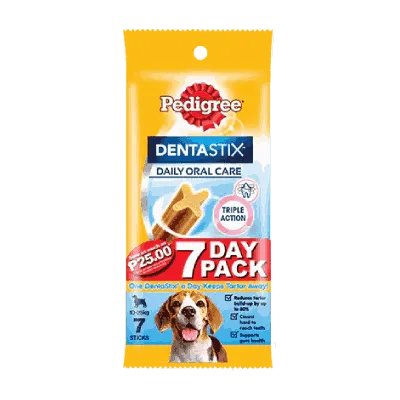
Serving dental treats daily is one of the easiest ways to care for your dog’s oral health. Formulated dental chews like PEDIGREE® DentaStix™ feature a clinically proven triple action formula that can clean hard to reach teeth, support healthy gums, and reduce tartar build up by up to 80% with daily use.
Using a dog-friendly dental water additive is a simple, stress-free way to fight bad breath. These solutions are added directly to your dog's daily drinking water bowl and contain pet-safe, odor-neutralizing compounds that safely target odor-producing oral bacteria to provide ongoing freshness between brushings.
Bad breath in dogs can be caused by unsanitary habits such as coprophagia (eating feces) and scavenging. Rummaging through trash bins, eating spoiled food, or picking up unpleasant things outdoors can cause bad breath. Cleaning up pet waste promptly, keeping trash bins secure and consistent obedience training are proven ways to manage these habits.
A diet centered around complete and balanced dog food is a fantastic way to fight bad breath. A healthy diet helps balance your dog’s gut digestion, which stops smelly stomach gases from traveling up and causing odor. Plus, high-quality dog food cuts out cheap, sugary starches that leave a sticky, plaque-fueling film on their teeth, while providing key vitamins that keep their gums strong and healthy.
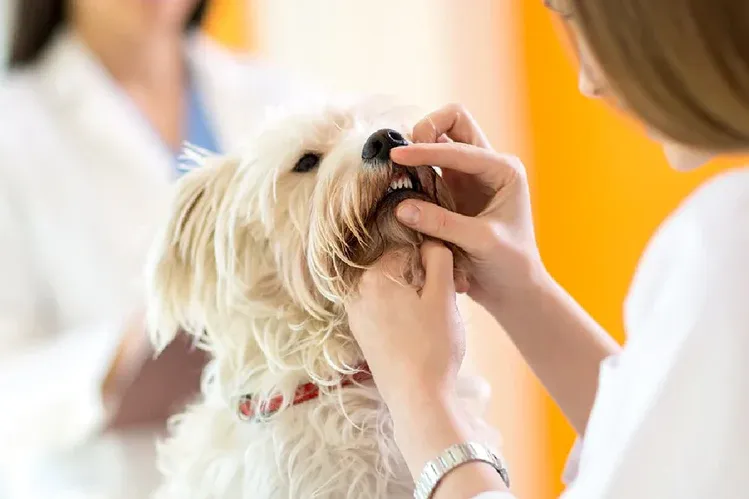
To prevent bad breath in dogs, it’s essential to be proactive about your dog’s dental health: look inside their mouth regularly, establish a daily oral care regimen at home, and schedule regular visits to the vet. If your schedule is tight, you can use convenient online tools like the PEDIGREE® Toothscan Tool to get a quick assessment of your dog’s oral health at home.
Bad breath in dogs is a signal that your furry friend’s oral health needs attention. With consistent brushing, regular checkups, and daily dental treats like PEDIGREE® Dentastix™, you’re a step closer to fresh breath and a healthier dog. For more dental care tips for dogs, make sure to visit the PEDIGREE® blog!
Review this article:
If your dog is resistant to tooth brushing, dental water additives and PEDIGREE® DENTASTIX™ can help you manage your dog’s breath. But at the end of the day, there is no shortcut to removing bad breath, so you need to slowly build the habit. Training with positive reinforcement is the best way to help your dog build a good association with dental care.
Ideally, it’s best to brush your dog’s teeth daily. Over time and with some positive reinforcement, many dogs will begin to enjoy brushing once it becomes a part of their routine. If your dog isn’t comfortable with daily brushing, two to three times a week should be your goal.
Without regular cleaning, plaque forms on your dog’s teeth. If left untreated, this can cause bad dog breath, gingivitis, periodontal disease, and tooth loss in extreme cases.
Yes! PEDIGREE® DENTASTIX™ does work and is extremely safe for your dog. It is scientifically proven to reduce tartar build-up by up to 80% when fed daily. They are also low in fat and sugar, which makes them wholesome treats that can easily become part of your dog’s daily routine