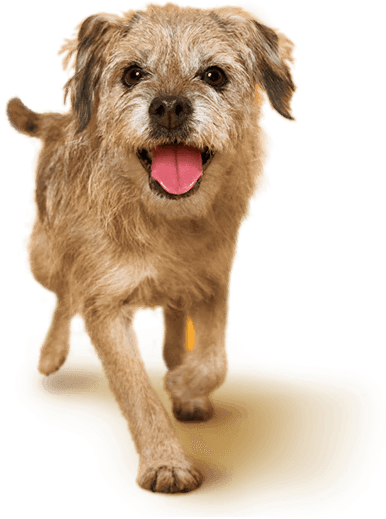
Puppy
Welcome to the world of puppy love! Bringing a new pup into your household is a heartwarming experience, and we're here to support you every step of the way. Discover a treasure trove of tools, informative articles, PEDIGREE® products, and even some delightful samples to make your journey with your new furry friend an unforgettable one

Tools





























The Ultimate Guide to Feeding, Training and Caring for Your New Puppy
Just like this iconic quote, with pet parenthood also comes great responsibility. Your new family member’s well-being is in your hands and will need more than just food and snuggles to thrive. Caring for a puppy involves more than just basic puppy care; it requires patience, love, and the right knowledge. Learning how to take care of a puppy might feel overwhelming at times, but at Pedigree, we make it a little easy with our comprehensive guides on puppy care. Whether you're interested in feeding a puppy the right way or figuring out how to take care a puppy in general, you’ll find all the essential tips and tricks here.
Getting your home ready for a puppy
Bringing a new puppy into your home is a joyous occasion, but it also requires careful preparation. Just like young children, puppies are naturally curious and eager to explore their new environment, which can sometimes lead to dangerous situations. To ensure your puppy's safety, it's essential to puppy-proof your home thoroughly.
Start by removing any chemicals and toxins that could be within its reach. Electrical cords and cables should be secured or hidden away to prevent chewing hazards. Rugs and carpets should be cleaned frequently to remove any small objects that a puppy might swallow and choke on. It’s also important to check for plants that might be toxic to dogs.
Breakable objects and valuables should be placed out of reach or stored away safely. Install baby gates or pet barriers to restrict access to certain areas, such as the kitchen or stairs. By creating a safe environment, you can ensure that your pup is out of harm's way and ready to explore its new home.
Choosing your puppy's food
Feeding a puppy the right diet is crucial for its growth and development. When selecting puppy food, it's essential to consider the quality of ingredients, the inclusion of proper nutrients, and taste.
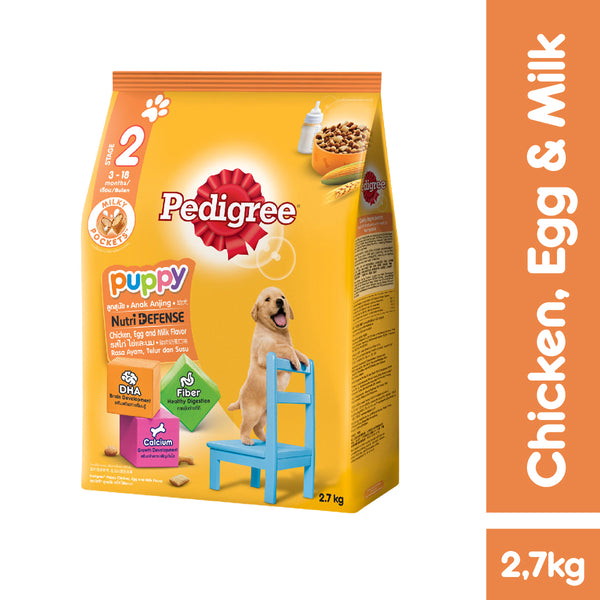
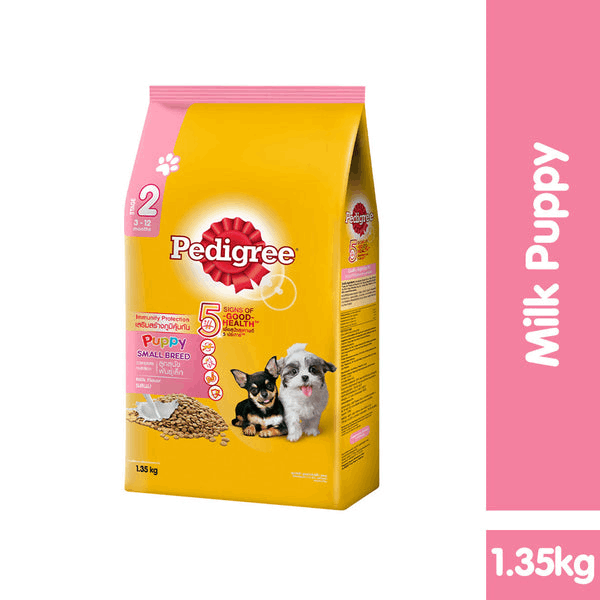
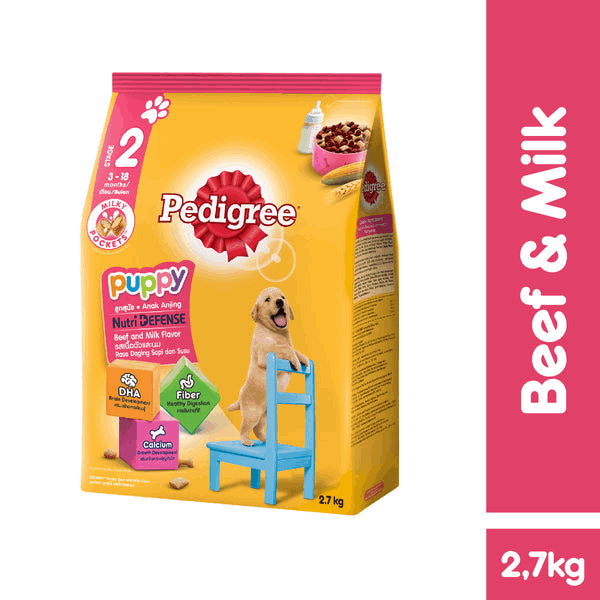
Pedigree offers a range of puppy food that is specially formulated with essential nutrients to support your puppy's growing body. Our puppy food includes a perfect blend of zinc and vitamin A to strengthen the immune system, calcium and phosphorus for robust teeth and bones, and DHA and choline for the healthy development of the nervous system. This tailored nutrition closely resembles the nutritional richness of a mother's milk, providing a balanced and nurturing diet for your fur baby.
Provide a healthy diet and exercise
A healthy diet is a cornerstone of puppy care. Opt for nutrient-dense pet food specifically formulated for growing puppies. Always follow your veterinarian's advice on how to pick the best dog food for your puppy’s nutritional needs. Exercise is equally important in caring for a puppy. Once your vet confirms that your puppy is fully vaccinated, regular walks and playtime are essential. Exercise will help your puppy use its surplus energy constructively. Prepare yourself for a commitment that involves some ankle-biting, sharp teeth, and “zoomies”, but also a lot of fun and bonding time.
Feeding your puppy
As we have already established the importance of nutrients for puppies, the right food type, feeding schedule, and nutrition for them in brief:
Food type:
Feeding a puppy properly starts with selecting high-quality puppy food that meets AAFCO guidelines for complete and balanced nutrition. Puppies require a diet rich in nutrients to build strong bones, teeth, and muscles.
Feeding schedule:
Begin feeding solid food to your puppy at around four weeks of age. Follow a feeding schedule by offering meals three times a day until they are six months old, then switch to twice daily.
Nutrition:
Puppies need a nutrient-dense diet to support their rapid growth and development. Always consult your vet for personalized advice on feeding a puppy to ensure that it receives proper nutrition for strong immunity and healthy growth.
You can also read a thorough feeding guide for puppy; this will help you understand what and how much nutrients your fur baby needs.
Training a puppy
Training a puppy is essential for raising a well-behaved and happy dog. With the right techniques and patience, you can teach your puppy important skills and behaviors that will last a lifetime.
8 to 10 Weeks
At this age, your puppy is beginning to learn the basics. Start by establishing a daily schedule that includes feeding a puppy, play, training, potty breaks, and naptimes. And one of the key things you need to learn is how to potty train a puppy. Early socialization and name recognition are also crucial during this stage. Introduce basic commands such as "Sit" and "Come" while using food lures. Crate training helps in housebreaking and reduces separation anxiety.
10 to 12 Weeks
During this period, expand on the basic commands your puppy has learned. Introduce commands like "Place," "Down," and "Heel" inside the home using treats as rewards. Begin leash and harness training to get your puppy accustomed to these essential tools. Continue socialization by introducing your puppy to new people and calm dogs. You should also expose it to common noises like traffic and garbage trucks. Practice impulse control by having your puppy wait for their food and water bowls and start threshold training.
3 to 4 Months
Your puppy is growing quickly, and now is the time to introduce more complex training routines. Teach commands such as "Stay" and "Leave it". Practice command combinations and duration work, like a long "Sit" or "Stay." Start practicing the "Heel" command outdoors to get your puppy accustomed to outside distractions. Socialize with other vaccinated puppies and introduce structured play sessions like fetch and tug to improve on commands like "Drop-it," "Come," and "Stay".
4 to 6 Months
You can now start practicing commands outside your home and in public spaces. Advance their training by adding the 3Ds: distance, duration, and distractions. Extend your walks and practice the "Heel" command further from home. Socialize your puppy in more populated areas to help them adapt to different distractions and improve their skills.
While this is a brief introduction on puppy care, you can explore our comprehensive guides on how to care for puppy to become a pro at pet parenting. Our articles will provide you with essential tips and tricks to care for your puppy the right way.
FAQs
Please follow the feeding guidelines provided on the PEDIGREE® food label. If your pet is a puppy, feeding guidelines are based on expected adult body weight. Adjust the intake by monitoring his body weight.
The best time to socialize your puppy is between 3 to 12 weeks.
Young puppies up to 3 months of age should be fed at least 4 times per day, from 3 to 5 months of age they should receive 3 meals per day, then they are best fed twice daily.
- Establish a feeding schedule
- Take your puppy for frequent bathroom breaks
- Begin socialization early
- Stay on top of grooming and oral care
- Conduct brief training sessions every day
Key Milestones

Black Dog Poop: Causes & What To Do
Your dog’s stool can reveal a lot about their internal health. While changes in dog poop can sometimes be linked to what…

Diarrhea in Puppies: Causes, Treatment, & Prevention
Abrupt changes in your pup’s health can be very concerning. As a pet parent, you must be aware of common health conditions,…

What Are Dogs Not Allowed to Eat?
We all love our pups, and it can be tempting to share our food with them, especially when they give us those irresistible…

Puppy Names: Cute, Funny, and Popular Names for Your Pup
Naming your new puppy is a delightful journey that reflects your bond and their unique charm. Whether you're searching for…
Feeding

Can Dogs Eat Mango? Feeding Guide For Pet Owners
Sweet, juicy, and impossible to resist, mangoes are a staple in many households. Many pet parents show affection through…

Can Dogs Eat Cheese? A Guide for Pet Owners
Many pet parents view cheese as a special treat. Since it’s flavorful, convenient to portion, and great at grabbing a dog’s…

Is Milk Good for Dogs? A Safety Guide
There are a lot of misconceptions about whether dogs should or shouldn’t drink milk. Many pet parents offer milk thinking it…

Is Peanut Butter Okay for Dogs? A Safety Guide
Dogs are naturally drawn to peanut butter. The smell, the texture, and the taste often make it one of their all-time…
Caring

Dog Menstruation Explained: Dog Heat Cycle & Symptoms
For first time pet owners, taking care of a female dog can be such a rewarding experience. But as you navigate your pet…

Dog Poop: Colors & What It Means
Dog poop might not be the best thing to think about, but it’s one of the most reliable windows into your dog’s overall…

Bloody Stool in Dogs: Causes, Symptoms & Treatment
Monitoring your dog’s poop isn’t the most pleasant part of pet parenting, but it’s an important habit to build. Your dog’s…

How Many Months Is a Dog Pregnant? Dog Pregnancy Signs and Duration
Welcoming a new litter of puppies is an exciting milestone for any pet parent, but it can also feel overwhelming. Especially…
Training

Crate Train Your Puppy: 5 Easy Steps
Crate training a puppy is a fantastic way to simplify housetraining while providing your furry friend with a safe and cozy…

Create A Puppy Schedule & Daily Routine For Puppies
Welcoming a puppy into your home is like embracing a bundle of joy that brings along a burst of energy. But navigating this…

7 Ways On How To Stop A Puppy From Biting
When addressing the issue of how to stop a puppy from biting, it is essential to understand the underlying causes of this…

How To Potty Train A Puppy
Potty training your dog can be a tad challenging, but it's a pretty achievable task! While some dogs are quick to catch on,…

Scan here and download the PEDIGREE® app
Download the PEDIGREE® App
Connect with fellow pet parents who share your interests, delve into informative articles, explore a variety of products, and enjoy regular samples to enrich your pet parenting journey