
Aspin Dog Breed - Dog & Puppy Information & Characteristics
Share:


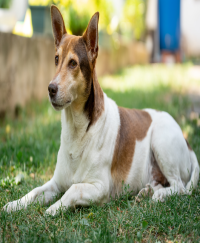
The Aspin, short for Asong Pinoy or “Filipino dog,” is a beloved local dog found throughout the Philippines. Also historically known as the Askal, short for Asong Kalye or “street dog,” the Aspin is not an official dog breed but a diverse population of dogs with a wide range of appearances, personalities, and breed backgrounds. If you’re looking to welcome a dog into your home, there are plenty of reasons why you should consider adopting an Aspin.
Aspin Physical Appearance
One of the most distinctive qualities of the Aspin is just how varied they can look. Because Aspins are a diverse population of dogs rather than a standardized purebred, Aspin dog characteristics can differ widely in size, build, coat, and facial features. Many have lean or athletic builds, short to medium-length coats, and colors such as black, brown, white, tan, and brindle, although there is no single appearance that defines every Aspin.
You may also come across Aspins mixed with other pure breeds which can create even more variation in size, coat, facial features, and temperament. This natural diversity means that Aspin newborn puppies can grow into adults with very different looks and personalities, which is part of what makes every Aspin unique.
Aspin Personality and Temperament
Below is a quick overview of the Aspin dog's temperament across different traits. Since Aspins can have varied breed backgrounds, these ratings are only a general guide and can differ greatly from one dog to another.
Legend:
⭐ = Poor
⭐⭐⭐⭐⭐ = High/Excellent
| Trait | Rating |
|---|---|
| Friendliness towards humans | ⭐⭐⭐⭐⭐ |
| Ability to Adapt | ⭐⭐⭐⭐⭐ |
| Behavior towards humans | ⭐⭐⭐⭐ |
| Energy and playfulness | ⭐⭐⭐⭐ |
| Easy to Train | ⭐⭐⭐⭐ |
| Advisable for First-Time Owners | ⭐⭐⭐⭐⭐ |
Aspins are often known for being alert, affectionate, intelligent, and adaptable. Most Aspins respond well to training and enjoy being involved with their families, but individual temperament will always depend on factors such as early socialization, previous experiences, environment, and breed background.
When it comes to health and longevity, there is no single profile that applies to every Aspin. Their overall health, weight, energy levels, and lifespan can vary depending on genetics, nutrition, preventive care, and lifestyle. Regular veterinary check-ups, balanced nutrition, exercise, and proper care are still important for helping any Aspin stay healthy throughout their life.
Key Characteristics of Aspins
Let's take a closer look at some of the Aspin’ key characteristics.
| Average Lifespan | The Aspin average lifespan is 12 to 15 years |
|---|---|
| Weight | Most adult Aspin dogs can weigh between 20 and 50lbs, depending on their size, genetics, and activity level. |
| Height | The height of the dog breed is typically 14 to 24 inches. |
| Coat | They have a short to medium-length coat, coarse hair; colors include brindle, brown, white, black, and ginger. |
| Size | Aspin dogs are medium-sized dogs with a well-balanced, athletic build. |
| Personality | They are loyal, alert, intelligent, protective, gentle, and highly adaptable. |
| Origin | Descended from native Philippine dogs that evolved naturally alongside local communities for centuries, developing remarkable resilience and adaptability. |
Aspin History
The history of the Aspin stretches back thousands of years. Dogs have lived alongside Filipinos since well before the colonial period, serving as hunting companions, household guardians, and valued members of communities. Unlike standardized dog breeds developed through deliberate selective breeding, Aspins evolved more naturally over generations. Living alongside Filipino communities and adapting to local conditions helped shape the diverse Aspins we know today.
Over time, however, native dogs became commonly associated with the term Askal, short for Asong Kalye or “street dog,” which contributed to negative perceptions of them. Animal welfare groups such as the Philippine Animal Welfare Society (PAWS) later helped promote the term Aspin, short for Asong Pinoy, to celebrate local dogs and encourage Filipinos to give them the same care and respect as any other dog. Today, Aspins continue to be celebrated for their place in Filipino homes, communities, and culture.
Types of Aspins
Aspins are not divided into officially recognized breed varieties, and there is no standardized list of Aspin types. Because these native-bred dogs have developed naturally over generations, they can vary greatly in appearance, size, and background. For practical purposes, you may come across native Aspins as well as Aspins mixed with other recognizable dog breeds.
Native Aspin
Native Aspins are dogs whose appearance and background reflect the diverse local dog population found throughout the Philippines. Since there is no single breed standard, they can differ considerably in size, coat, color, and physical features.
Mixed-Breed Aspins
Technically, all Aspins are mixed breed but you may also come across dogs with one Aspin parent and one parent from another pure breed. In the Philippines, common examples include a half Shih Tzu half Aspin or half Labrador half Aspin. These dogs can inherit different combinations of physical and personality traits from either parent, so their appearance and temperament can vary considerably.
How Long Do Aspins Live?
The Aspin lifespan is typically around 12 to 15 years, although every dog is different. Genetics, nutrition, exercise, preventive healthcare, and overall lifestyle can all influence how long an Aspin lives. Aspins have diverse genetic backgrounds, which may reduce the likelihood of some breed-specific inherited conditions. However, this doesn’t mean they are naturally free from health problems. Regular veterinary check-ups, balanced nutrition, exercise, and preventive care are still important for helping your Aspin stay healthy throughout their life.
How to Care for an Aspin?
Caring for an Aspin is often straightforward, which is one reason the breed is popular among both experienced and first-time dog owners.
Exercise
Aspins have moderate to high energy levels and benefit from daily walks, active play sessions, and opportunities to explore their surroundings. Regular exercise helps maintain a healthy weight and supports both physical and mental well-being.
Training
Highly intelligent and eager to learn, Aspins respond well to positive reinforcement training methods. Consistency, praise, and rewards help encourage good behavior and habits.
Socialization
Early socialization helps Aspins become confident and comfortable around people, other dogs, and new environments. Positive experiences during puppyhood often lead to better-adjusted adults.
Companionship
Aspins form strong attachments to their families and enjoy spending time with the people they love. While they can tolerate some alone time, they generally thrive when included in daily family life.
Preventive Healthcare
Regular veterinary visits, vaccinations, parasite control, and dental care are essential components of keeping an Aspin healthy throughout its life.
Aspin Grooming and Maintenance
One of the advantages of owning an Aspin is its low-maintenance grooming routine.
- Brush the coat once or twice a week to remove loose fur.
- Bathe only when necessary or every few weeks.
- Trim nails regularly.
- Check and clean ears as needed.
- Brush your dog’s teeth several times a week to support dental health.
- Inspect the skin and coat regularly for signs of irritation or parasites.
Because their coats are naturally suited to warm weather, Aspins generally require much less grooming than many long-haired breeds.
Are Aspins Suitable for Indoor Living in the Philippines?
Yes, Aspins are exceptionally well-suited for indoor living in the Philippines. Since the breed evolved in the country's tropical climate, Aspins handle local temperatures and humidity well. However, like all dogs, they still need daily exercise, mental stimulation, and opportunities for social interaction to remain healthy and happy.
Aspin Nutrition and Diet
Good nutrition is one of the most important factors in helping your Aspin live a long and healthy life. A healthy diet for an Aspin should include:
- High-quality protein: Helps build and maintain lean muscles.
- Healthy fats: Provide energy and support overall health.
- Essential vitamins and minerals: Contribute to immune system function and metabolism.
- Omega fatty acids: Help support healthy skin and a shiny coat.
- Balanced carbohydrates: Provide sustained energy for daily activities.
- Proper portion control: Helps maintain a healthy body weight.
Like other dogs, Aspins should have a diet centered around complete and balanced dog food that is appropriate for their life stage. Aspin puppies need food formulated to support healthy growth and development, while senior dogs may benefit from formulas designed for their changing needs. As you feed your Aspin, always follow the feeding guidelines on your chosen food and speak with your veterinarian if you have questions about your Aspin’s diet, weight, or nutritional needs.
Aspin: The Loyal Heart of the Filipino Home
Few dogs are as closely connected to Filipino homes and communities as the Aspin. With their diverse backgrounds, adaptable nature, and individual personalities, Aspins are a reminder that a wonderful companion is defined by the bond they build with the people around them. Whether playful, alert, affectionate, or quietly loyal, every Aspin brings something unique to the family they become part of.
With the right care and attention, an Aspin can become a loving companion and an important part of your family for many years to come. For more insights on dog breeds, health, nutrition, and everyday care, explore the PEDIGREE® blog for more helpful advice for every stage of your dog’s life.
FAQs
Yes, especially when socialized early. Individual temperament may vary, but generally speaking, Aspins have a gentle nature and can live in harmony with other pets.
Absolutely. Aspins are loyal, patient, and protective, making them excellent family dogs gentle with children.
They are independent enough for moderate periods alone, but happiest with company.
Yes, their short coats need only weekly brushing and occasional baths, making them low-maintenance.
Aspins are naturally alert and will bark to signal activity, making them good watchdogs. With training, excessive barking can be managed.