Dobermann Breed Breed - Dog & Puppy Information & Characteristics
Share:


Dobermann Breed
A Dobermann’s sharp and sleek features are quick to let anyone know that they truly are noble dogs. Originally bred as protectors, the Dobermann is one of the most well-known and respected working dogs in the world. While they are popularly known to be excellent watchdogs, behind that commanding presence is a loyal and affectionate canine that thrives on love.
If you’re looking to welcome a dog into your home, a Dobermann is an excellent choice for a family looking for a devoted pet. But before you start looking at Dobermann puppies, it’s best to learn more about the breed.
Dobermann Physical Appearance
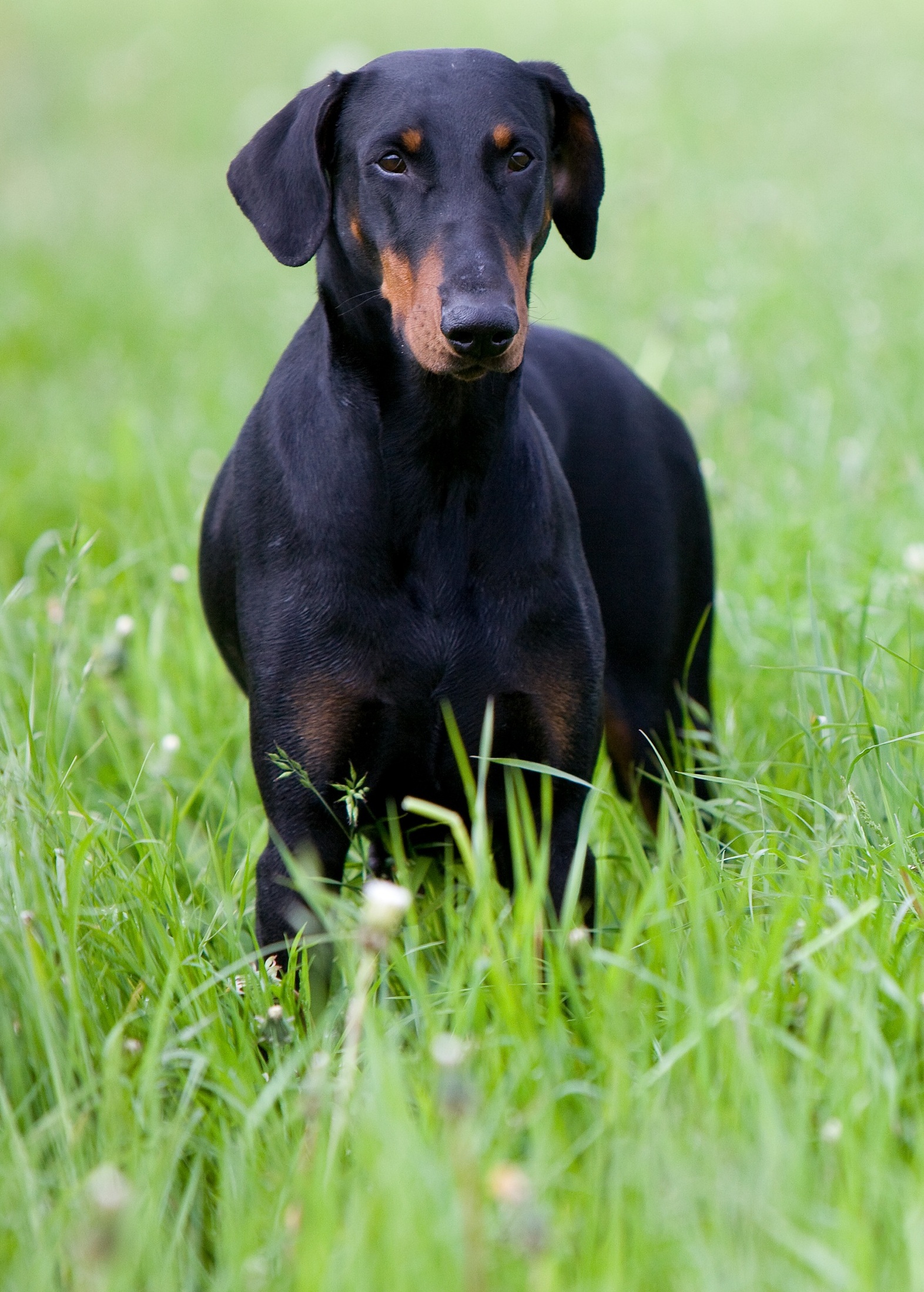
The Dobermann dog is a large, athletic breed with a compact, muscular build and an elegant stance. They have long, lean bodies, a wedge-shaped head, and a short, smooth coat that lies close to the body. Rust-colored markings commonly appear above the eyes and around the muzzle, throat, chest, legs, feet, and underside of the tail. The Dobermann can come in different colors like black and rust, red and rust, blue and rust, and fawn and rust. In rare cases, some Dobermanns with albinism can have a sleek white coat.
Dobermann Personality and Temperament
The Dobermann is one of the most wonderful large dog breeds in the world. To know if they’re the right fit for your home, below is a quick look at the Dobermann's temperament across different traits.
Legend:
⭐ = Poor
⭐⭐⭐⭐⭐ = High/Excellent
| Trait | Rating |
|---|---|
| Friendliness towards people | ⭐⭐⭐⭐ |
| Ability to adapt | ⭐⭐⭐ |
| Behavior towards other pets | ⭐⭐⭐ |
| Energy and playfulness | ⭐⭐⭐⭐ |
| Tendency to obesity | ⭐⭐ |
| Overall health | ⭐⭐⭐ |
| Life expectancy | ⭐⭐⭐ |
| Easy to train | ⭐⭐⭐⭐⭐ |
| Advisable for first-time owners | ⭐⭐ |
The Dobermann is an intelligent, loyal, and playful companion known for forming strong bonds with its family. As one of the most trainable dog breeds, it responds well to consistent, reward-based training and enjoys activities that challenge both its mind and body. However, its alert and protective nature, high exercise needs, and powerful build can make it more demanding for first-time pet parents. Early socialization, regular physical and mental stimulation, clear boundaries, and routine veterinary care are essential in helping a Dobermann become a confident, well-mannered, and healthy family companion.
Key Characteristics of Dobermanns
Let’s take a look at Dobermann’s characteristics, personality, and other key traits. Keep in mind that values can vary from one Dobermann dog to another.
| Average lifespan | The Dobermann's lifespan is usually between 10 and 12 years. |
| Weight | A Dobermann's weight typically ranges from 60 to 100 lbs, depending on age and gender. |
| Height | The height for this dog breed ranges from 24 to 28 inches. |
| Coat | Dobermanns have short, flat, and sleek coats. |
| Size | Dobermanns are classified as large and medium-large dog breeds. |
| Personality | They are energetic, loyal, alert, and affectionate. |
| Origin | The Dobermann originated in Apolda, Germany, in the late 1800s. |
Dobermann History
During the 19th century in Germany, the job of a tax collector was incredibly dangerous, often met with hostility. Aware of these risks, Louis Dobermann, a local taxman and dog breeder from the town of Apolda, set out to create a dependable, imposing protector. The breed soon earned the nickname "Tax Collector’s Dog" and quickly gained a global reputation for bravery. Since those early days, the Dobermann has evolved to serve as a police dog, military dog, service dog, therapy dog, and a loving family companion.
Types of Dobermann
While Dobermanns are recognized as a single breed, they are primarily categorized by two regional breeding styles that dictate their build and temperament.
- American Dobermann: Sleeker, slimmer, and more refined with a longer arched neck, these dogs have a distinctively elegant appearance. Temperamentally, they tend to be calmer, highly affectionate, and deeply sensitive to human emotions. They are slightly less headstrong, making them excellent, loving family pets.
- European Dobermann: Bulkier, heavier, and highly muscular with a broader chest. The European variant is a true working dog due to their confident, intense, and driven nature which makes them excel in police, military, and protection work. They thrive best with an active owner and consistent training.
Dobermann Coat Colors
Beyond the two regional variants, Dobies come in a variety of beautiful coat colors.
Black and Rust Dobermann:
The black and rust Dobermann is the most familiar color variety, with clearly defined rust markings against a glossy black coat.
Red and Rust Dobermann:
A Doberman can come with a rich reddish-brown or chocolate coat paired with rust markings.
Blue and Rust Dobermann:
The blue and rust Dobermann has a diluted black coat that appears bluish-grey.
Fawn and Rust Dobermann:
The fawn and rust Dobermann features a lighter beige or creamy brown coat color with tan markings, sometimes called Isabella
How Long Do Dobermanns Live?
On average, the Dobermann lifespan typically ranges from 10 to 12 years. However, several factors can influence the overall health and well-being of each, such as genetics, nutrition, daily exercise, weight management, and regular veterinary care. With a proactive approach to care, some Dobermanns can live longer.
How to Care for a Dobermann?
Whether you’re caring for an adult or are nursing some Doberman puppies, the key to great care is to meet the breed’s unique physical, mental, and emotional needs.
- Exercise: Dobermanns require plenty of daily exercise, including walks, running, training sessions, and interactive activities to stay physically and mentally stimulated.
- Training: Highly intelligent and eager to learn, they respond exceptionally well to consistent, positive reinforcement training.
- Environment: They thrive in active households where they can participate in family activities and receive regular mental stimulation.
- Companionship: Dobermanns form strong bonds with their families and do not enjoy being left alone for long periods. They are loyal, affectionate, and protective companions.
- Dental care:Follow a regular dental care routine. Brushing your dog’s teeth and providing dental dog treats daily helps avoid issues like tartar buildup, periodontal disease, and bad breath
- Veterinary care:Routine screenings, vaccinations, and regular checkups will ensure your dog’s health and comfort.
Dobermann Grooming and Maintenance
While their grooming needs may not be as heavy, Dobermanns thrive best when they are properly cared for. Here are some simple Dobermann grooming tips to keep them clean and healthy.
- Dobermanns have short, smooth coats that require minimal maintenance. Brush their fur once a week using a soft-bristled brush or grooming mitt to remove loose hair and maintain its natural shine.
- Dobermanns do not need frequent baths. Bathe them only, when necessary, such as when their coat becomes noticeably dirty or develops an odor.
- Trim their nails at least once a month or whenever they begin clicking against the floor. Their ears should also be checked regularly for dirt, redness, or unusual discharge.
Are Dobermanns Suitable for Indoor Living in the Philippines?
Yes, Dobermanns can be suitable for indoor living in the Philippines. As long as they receive enough daily exercise, playtime, and mental stimulation, they can be happy relaxing indoors with their family. Given the country’s hot climate, just ensure that they have access to fresh water, proper ventilation, and a cool resting area, especially after walks or physical activity.
Dobermann Nutrition and Diet
Like other dogs, the Dobermann needs complete and balanced nutrition that supports its athletic physique, active lifestyle, and long-term heart health. For a happy and healthy Dobermann, make sure these key nutrients are part of their diet:
- High-quality animal protein: Supports muscle maintenance, growth, and recovery.
- Taurine and L-carnitine: Important nutrients that help support healthy heart function.
- Omega-3 fatty acids: Support joint health, mobility, skin health, and a glossy coat.
- Healthy fats: Provide sustained energy while supporting overall body condition.
- Essential vitamins and minerals: Calcium, phosphorus, zinc, and antioxidants support immunity, bone strength, and metabolic health.
- Controlled carbohydrates: Help provide steady energy without contributing to unnecessary weight gain.
A Dobermann’s diet should be suited to their life stage, activity level, and individual needs. Puppies require food that supports healthy growth and development, while adults benefit from a diet that helps maintain lean muscle and energy metabolism. Lastly, senior Dobermanns may need additional support for joint health, mobility, and healthy ageing. Regardless of your Dobermann’s lifestage, following recommended feeding guidelines and consulting with your vet will ensure that your Dobermann maintains a healthy weight.
Dobermann: The Loyal Guardian and Companion
The Dobermann is more than a skilled guard dog. Behind its powerful appearance lies a loyal, intelligent, and affectionate companion that forms strong bonds with its family. With proper training, socialization, and care, Dobermanns can excel as both protectors and loving household pets.
With a perfect combination of elegance, athleticism, and devotion, the Dobermann is without a doubt one of the world's most admired dog breeds today. If you’re looking to learn more about dog breeds or are looking for better ways to care for your pet, we’ve got you covered. Make sure to visit the PEDIGREE® blog .
Frequently asked questions
Yes, Dobermanns are capable of getting along with other pets, when socialized from a young age. However, owners should keep in mind that they possess a naturally high prey drive, which can tempt them to chase smaller animals like cats, and they have a natural tendency to clash with same-sex dogs.
Dobermanns can make wonderful family dogs, but they are best suited for experienced or highly active owners. They are incredibly loyal, sensitive, and natural protectors, but they require daily physical exercise and constant mental stimulation.
While a few hours may not hurt, Dobermanns do not do well when they’re away from their families. They may suffer from separation anxiety if left alone for too long.
Dobermanns require very little maintenance. Since their fur is single-coated and short, they do not need to be brushed or bathed frequently. However, brushing their teeth and trimming their nails once in a while is necessary. Ear care is also highly recommended to keep infections at bay.
Dobermanns do not bark a lot, but they will also not hesitate to do so when they feel threatened. They are known to be vigilant, and will not hesitate to bark if it perceives something as a threat.