Great Pyrenees Breed - Dog & Puppy Information & Characteristics
Share:


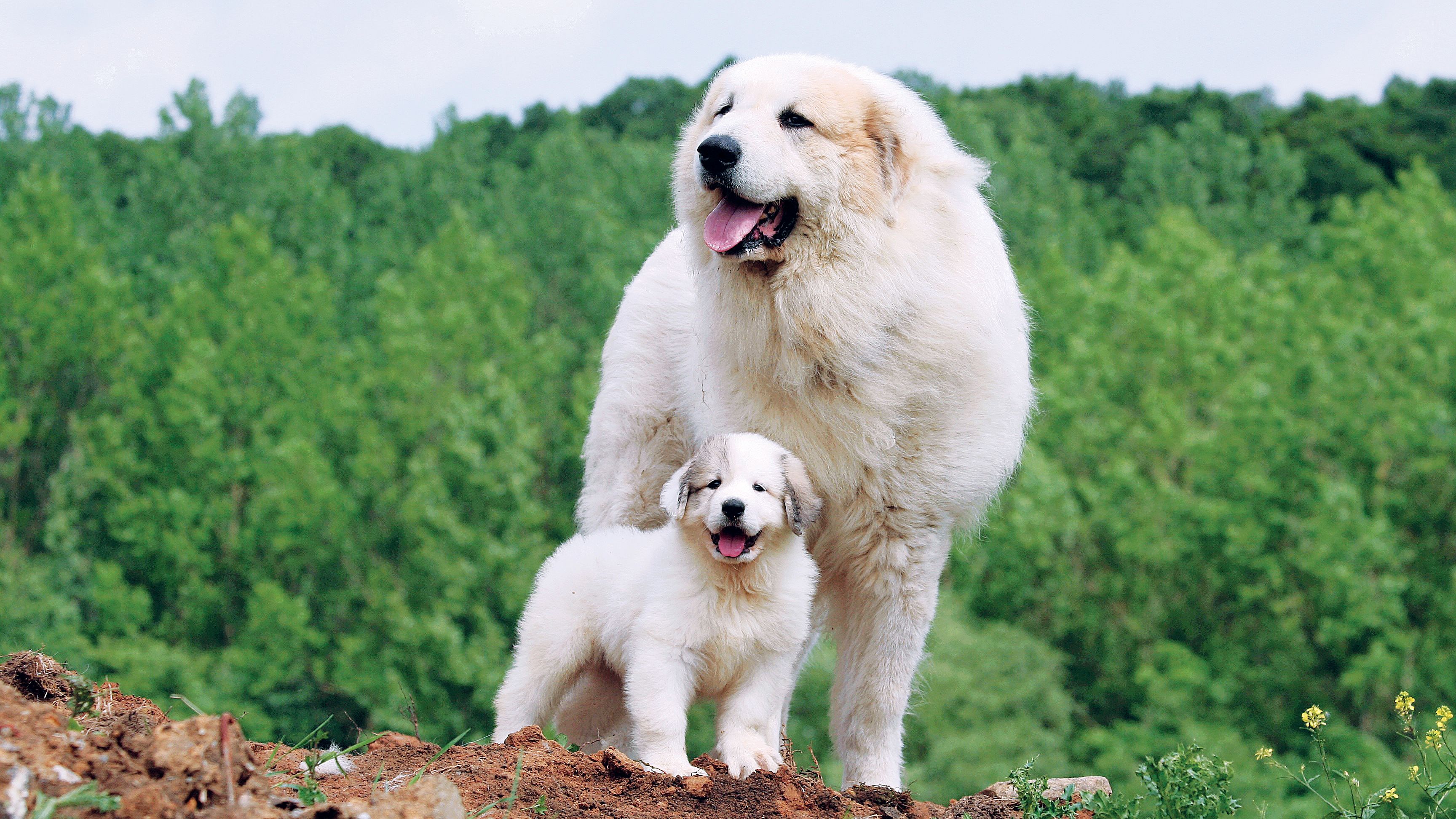
The Great Pyrenees is a majestic and powerful working dog breed known for its calm nature, protective instincts, and thick, snow-white coat. Originally bred to guard livestock in the Pyrenees Mountains between France and Spain, these large dogs are independent souls that guard their families with patience and quiet confidence.
While the Great Pyrenees size may overwhelm some, these dogs are gentle, affectionate, and devoted companions. Whether you are planning to adopt a Great Pyrenees puppy or are already caring for one, understanding their unique set of needs will help you provide the best care possible.
Great Pyrenees Physical Appearance
The Great Pyrenees is a large dog with a balanced combination of strength and elegance. They give off a commanding presence, thanks to their broad chest, strong legs, and sturdy build. Paired with their wedge-shaped head, rounded skull, and dark almond-shaped eyes, these features contribute to the breed’s noble appearance. This gentle giant is most recognized for its thick, weather-resistant double coat, which is primarily white but may feature subtle markings in shades of gray, tan, or reddish-brown.
Great Pyrenees Personality and Temperament
Below is a quick look at the Great Pyrenees' temperament across different traits.
Legend:
⭐ = Poor
⭐⭐⭐⭐⭐ = High/Excellent
| Trait | Rating |
|---|---|
| Friendliness towards people | ⭐⭐⭐ |
| Ability to adapt | ⭐⭐ |
| Behavior towards other pets | ⭐⭐⭐⭐ |
| Energy and playfulness | ⭐⭐⭐ |
| Tendency to obesity | ⭐⭐ |
| Overall health | ⭐⭐⭐⭐ |
| Life expectancy | ⭐⭐⭐ |
| Easy to train | ⭐⭐ |
| Advisable for first-time owners | ⭐⭐ |
The Great Pyrenees’ personality combines calmness, patience, affection, and protective confidence. These dogs easily form strong bonds and are often gentle around children and other household animals. However, their history as livestock guardians also makes them independent, territorial, and naturally cautious. Because they were bred to assess threats and make decisions without constant human direction, they may not always respond immediately to commands. Early socialization and patient, consistent, reward-based training are important for helping your Great Pyrenees develop good habits.
Key Characteristics of Great Pyrenees
Let’s take a look at the Great Pyrenees’ characteristics and other key traits. Keep in mind that values can vary from one dog to another.
| Average lifespan | The Great Pyrenees's lifespan is usually between 10 and 12 years. |
| Weight | A Great Pyrenees's weight typically ranges from 85 to 100 pounds, depending on age and gender. |
| Height | The height for this dog breed typically ranges from 25 to 32 inches. |
| Coat | They have a thick, double coat. The outer coat is long and coarse, while the undercoat is soft and dense. |
| Size | The Great Pyrenees is a large dog with a strong, athletic, and well-balanced build. |
| Personality | They are calm, gentle, protective, devoted, and affectionate. |
| Origin | The Great Pyrenees originated in the Pyrenees Mountains between France and Spain, where it was developed as a livestock guardian. |
Great Pyrenees History
The Great Pyrenees has a long history dating back hundreds of years in the Pyrenees Mountains. These dogs were bred specifically to guard livestock from predators such as wolves and bears. Their ability to work independently, make decisions, and remain calm under pressure made them invaluable to shepherds. Over time, their reputation extended beyond farm life. In the 17th century, the breed gained popularity among French nobility and was even declared the Royal Dog of France. Despite this recognition, the Great Pyrenees has retained its original working instincts and protective nature.
How Long Do Great Pyrenees Live?
The Great Pyrenees lifespan typically ranges from 10 to 12 years. Like many large breeds , their longevity is influenced by genetics, diet, exercise, and overall care . Maintaining a healthy weight and providing regular veterinary checkups are important factors in ensuring a long and healthy life. Owners should pay close attention to joint health, as large dogs are more prone to issues related to mobility. With proper care, nutrition , and a well-structured lifestyle, Great Pyrenees dogs can live well beyond these years.
How to Care for Great Pyrenees?
Understanding the Great Pyrenees training and care needs is important due to their independent nature.
- Exercise: Moderate daily exercise such as walks and outdoor play helps maintain fitness and mobility.
- Training: Early socialization and patient, consistent training are important due to their independent guardian instincts.
- Environment: They thrive in spacious homes with secure outdoor areas where they can observe their surroundings.
- Companionship: Great Pyrenees are devoted to their families but can be reserved with strangers.
- Dental Care: Check their mouth and brush their teeth daily. Serving dental dog treats can provide additional support against plaque and tartar buildup on your dog’s teeth .
- Veterinary Care: Regular health screenings, weight management, and joint care are important for this large breed.
Great Pyrenees Grooming and Maintenance
The thick coat of the Great Pyrenees requires regular maintenance to stay clean and healthy. Proper grooming plays an important role in maintaining overall health and comfort.
- Brushing several times a week helps prevent matting and tangling.
- They shed throughout the year and more heavily during seasonal changes, so more frequent grooming may be necessary during these periods.
- Nail trimming, ear cleaning, and dental care is a must. Always check these areas for redness, discharge, or unpleasant odors.
- Although their coat is dense, bathing is only needed occasionally.
Are Great Pyrenees suitable for Indoor Living in the Philippines
Yes, Great Pyrenees can adapt to indoor living in the Philippines, but they are naturally better suited to cooler climates and require careful heat management. Due to their large size and thick double coat, they need a spacious, well-ventilated or air-conditioned indoor area where they can remain cool and comfortable. Although they are generally calm indoors, they still require regular exercise and mental stimulation to prevent boredom or restlessness. Outdoor walks should be scheduled during the cooler early morning or late evening hours, with constant access to fresh water.
Great Pyrenees Nutrition and Diet
A Great Pyrenees’ diet must support its large frame, healthy joints, thick coat, and steady energy needs. Like other dog breeds, serving complete and balanced dog food will provide your Great Pyrenees with the daily nutrients it needs.
- High-quality animal protein: Helps maintain lean muscle mass, strength, and overall health.
- Omega-3 and Omega-6 fatty acids: Support healthy skin and help maintain the condition of the breed’s thick double coat.
- Joint-supporting nutrients: Glucosamine, chondroitin, and omega-3 fatty acids may help support mobility and joint health in this large breed.
- Essential vitamins and minerals: Properly balanced calcium, phosphorus, zinc, and antioxidants support bone health, immune function, and overall wellness.
- Controlled calories: Help prevent rapid growth in puppies and excess weight gain in adult dogs, reducing unnecessary strain on the joints.
- Digestive-supporting nutrients: Fiber and easily digestible ingredients help support healthy digestion and regular bowel movements.
Great Pyrenees benefit from nutrition tailored to their life stage. Great Pyrenees puppies should follow a diet that supports steady development without excessive calorie intake. Adults require measured portions that help maintain lean muscle and a healthy body condition, while senior dogs may benefit from diets that support mobility, digestion, and healthy ageing.
Feeding portions should be adjusted according to age, activity level, health, and body condition. Following the feeding guidelines on your chosen dog food should serve as a good starting point, but for individualized feeding recommendations , consult a veterinarian.
Great Pyrenees: Gentle Guardian with a Majestic Presence
The Great Pyrenees combines strength, grace, and calm devotion. Known for their protective instincts and gentle nature, these dogs can be both capable guardians and loving family companions. But at the end of the day, prospective owners should carefully consider the pros and cons of a Great Pyrenees before bringing one home.
For owners who can meet these needs, the Great Pyrenees can offer devoted companionship and a quiet, watchful presence in the home. For more information on dog breeds, care, and health, visit the PEDIGREE® blog.
FAQs
A Great Pyrenees typically stands between 25 and 32 inches tall at the shoulder when on all fours, with males generally being taller than females. Their large size contributes to their strong and commanding presence.
Yes, Great Pyrenees shed heavily, especially during seasonal changes. Their thick double coat requires regular brushing to manage shedding and keep their coat healthy.
Yes, a properly trained and socialized Great Pyrenees can make a good family dog. They are often calm, affectionate, patient, and protective, although interactions with young children should always be supervised because of the breed’s large size.
Both breeds have strong jaws, but bite force can vary between individual dogs. The Great Pyrenees is not typically aggressive, as it was bred for guarding rather than attacking, focusing more on deterrence than confrontation.
Great Pyrenees training can be challenging because these dogs were bred to be independent. Early socialization, patient reward-based methods, clear boundaries, and short, consistent training sessions can help establish good habits while working with the breed’s naturally independent personality.