
Samoyed Breed - Dog & Puppy Information & Characteristics
Share:


Samoyed Dog
If you want to adopt one of the friendliest dog breeds out there, then you should consider the Samoyed. Known for their charming smiles and fluffy white coats, these medium-sized canines were originally bred as hardworking companions. Originating in the freezing terrains of Siberia, Russia, these dogs were bred to withstand extreme cold and help their owners with demanding tasks like herding and sled pulling.
Today, Samoyeds are loved for their affectionate nature and striking appearance. While welcoming Samoyed puppies into your home can be a rewarding experience, it also comes with important responsibilities. Understanding the Samoyed dog’s characteristics and care needs can help you provide the right support from the start.
Samoyed Physical Appearance
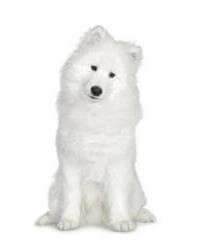
The Samoyed is a strong, graceful, medium-sized Spitz breed known for its fluffy coat and signature smile. They have a thick double coat consisting of a soft, dense undercoat and a longer, harsher outer coat that stands away from the body. Their coat is especially full around the neck and shoulders, forming the breed’s distinctive ruff. Recognized coat colors generally include pure white, cream, and white with biscuit markings.
Beyond their fur, notable Samoyed characteristics include a wedge-shaped head, dark almond-shaped eyes, and erect triangular ears. Their heavily feathered tail is typically carried over the back or to one side when alert and may hang down while resting. The slightly upturned corners of the mouth create the breed’s signature “Sammie smile,” which helps reduce drooling and prevents icicles from forming around the face in freezing conditions. These defining features become more pronounced as Samoyed puppies mature.
Samoyed Personality and Temperament
The Samoyed can bring an immense amount of love and joy into your household. But to know if the breed is a right fit, here is a quick look at the Samoyed temperament across different traits.
Legend:
⭐ = Poor
⭐⭐⭐⭐⭐ = High/Excellent
| Trait | Rating |
|---|---|
| Friendliness towards people | ⭐⭐⭐⭐⭐ |
| Ability to adapt | ⭐⭐⭐ |
| Behavior towards other pets | ⭐⭐⭐⭐ |
| Energy and playfulness | ⭐⭐⭐⭐⭐ |
| Tendency to obesity | ⭐⭐⭐ |
| Overall health | ⭐⭐⭐⭐ |
| Life expectancy | ⭐⭐⭐⭐ |
| Easy to train | ⭐⭐⭐ |
| Advisable for first-time owners | ⭐⭐⭐ |
The Samoyed is a friendly, affectionate, and highly playful companion that enjoys being involved in family life. Although intelligent and eager to interact, the breed can also be independent, so patient, consistent, and reward-based training is important. Early socialization can help a Samoyed behave confidently around people and other pets, while regular exercise and mental stimulation help prevent boredom. Because of its high activity levels, extensive grooming needs, and thick coat, first-time pet parents should be prepared to provide dedicated daily care and a cool, comfortable living environment.
Key Characteristics of Samoyeds
Let’s take a look at the Samoyed dog’s personality and other key traits. Keep in mind that values can vary from Samoyed to another.
| Average lifespan | The Samoyed lifespan usually ranges between 12 and 14 years. |
| Weight | Adult Samoyeds generally weigh between 35 and 65 lb, with males typically weighing more than females. |
| Height | The height of this dog breed typically ranges from 19 to 23.5 inches. |
| Coat | They have a thick, weather-resistant double coat. |
| Size | Samoyeds are medium-sized dogs with a strong, athletic build. |
| Personality | They are loyal, intelligent, affectionate, and highly sociable. |
| Origin | The Samoyed dog originated in northwestern Siberia and worked alongside nomadic Samoyedic people. |
Samoyed History
With its origin in northwestern Siberia, Russia, the Samoyeds were bred to be vital companions of the nomadic Samoyedic people. In their early days, they were bred to herd, hunt, and pull sleds across snowy terrain. The Samoyedic people treated their dogs as beloved family members, even inviting them inside their tents (chooms) to sleep alongside them for warmth on freezing nights. This close, centuries-old bond with their humans i reflected in the affectionate and people-oriented nature associated with the breed today.
Thanks to their athleticism, intelligence, and resilience to the cold, the Samoyed caught the attention of Western explorers in the late 19th and early 20th centuries. Soon enough, the Samoyeds were brought as working dogs during polar expeditions and helped their masters pull sleds across the Arctic and Antarctic. Over time, the breed got increasingly popular, and this eventually led to the breeding of the Samoyed dogs we know today.
Samoyed Coat Colors
The Samoyed is officially recognized as a single, distinct breed with no official sub-breeds. Instead, coat colors are the primary natural variation within the breed.
White Samoyeds
The most common and recognizable variety, which features a solid white coat.
Cream Samoyeds
These Samoyeds display a beautiful, soft, off-white coat.
Biscuit Samoyeds
Biscuit Samoyeds have a warm toned all beige coat.
White and Biscuit Samoyeds
These Samoyeds have a predominantly white coat with biscuit-colored accents in certain spots.
How Long Do Samoyeds Live?
The Samoyed's lifespan generally ranges from 12 years to 14 years. With proper care,nutrition, and active lifestyles, some Sammies may live well beyond these years.
How to Care for a Samoyed?
Caring for a Samoyed requires a dedicated commitment to their physical, mental, and social well-being. To ensure your Sammie lives a happy life, keep these essential care pointers in mind:
- Exercise: Bred to be working dogs, Samoyeds need daily physical activity. Long walks, play sessions, and mental stimulation are key to managing their energy.
- Training: Intelligent but sometimes independent, they benefit from positive reinforcement and early training
- Environment: They naturally thrive in cooler environments. Samoyeds in warmer climates require access to shade, fresh water, and air conditioning.
- Companionship: Samoyeds are highly social dogs that enjoy spending time with their families and dislike being left alone for long periods.
- Dental care: Brush your dog’s teethregularly to prevent issues likebad breath and tartar buildup.
- Veterinary Care: Routine checkups, vaccinations, deworming, and age-appropriate health screening will help you stay on top of your Sammie’s health.
Samoyed Grooming and Maintenance
The Samoyed's grooming needs can be quite demanding due to their thick double coat. Here are some grooming tips to keep your Sammie clean and comfy.
- Brush their coat daily to remove loose fur and prevent the dense undercoat from developing tangles and mats.
- Samoyeds shed constantly but have heavier shedding periods throughout the year. Brush more frequently during these periods.
- Regular nail trimming let's your Samoyed walk, run, and play comfortably. Trim nails whenever you hear a tapping sound.
- Inspect their ears regularly for dirt, redness, unusual odors, or irritation. Clean them only when needed using a veterinarian-approved ear cleaner.
- Bathe your Samoyed every 6-8 weeks or when they get visibly dirty. Avoid overly frequent bathing, as it may dry out the skin and coat.
- Maintaining the coat properly helps preserve the breed's beautiful appearance and overall comfort
Are Samoyeds Suitable for Indoor Living in the Philippines?
Yes, Samoyeds can live indoors in the Philippines when certain conditions are met. Because they are an Arctic breed with thick double coats, they are at greater risk of overheating in warmer climates. Overall, they need a reliably cool, well-ventilated indoor environment, constant access to fresh water, and exercise scheduled during cooler hours. For warmer months, air conditioning may be necessary. With attentive care, enough room to move comfortably, and close monitoring for signs of heat stress, Samoyeds can adapt.
Samoyed Nutrition and Diet
Because Samoyeds are active, medium-sized dogs with a dense double coat, they require nutrient-rich diets that support energy levels, muscle maintenance, and a healthy skin and coat. Like other dogs, they thrive on complete and balanced dog food that’s rich in the nutrients below:
- High-quality animal protein: Supports muscle maintenance and overall vitality.
- Omega-3 and Omega-6 fatty acids: Essential for maintaining healthy skin and the Samoyed's thick, fluffy coat.
- Joint-supporting nutrients: Glucosamine and chondroitin help support mobility and joint health.
- Healthy fats: Provide sustained energy for this active breed.
- Essential vitamins and minerals: Support immunity, bone strength, and metabolism.
- Controlled calories: Help maintain a healthy weight and reduce stress on joints.
Samoyeds thrive with a diet that supports their life stage, activity levels, and individual needs. Samoyed Puppies require nutrient-dense food for healthy growth, while adults benefit from diets rich in protein and essential fatty acids. Senior Samoyeds may need additional support for joint health and healthy ageing.
Lastly, portion sizes should be adjusted according to activity level and body condition. Following feeding guidelines on your chosen dog food should serve as a great starting point but for personalized feeding recommendations, consult your veterinarian.
Samoyed: The Smiling Companion with a Big Heart
The Samoyed is a perfect blend of beauty, intelligence, and affection. Originally bred to work in some of the world's harshest environments, this resilient dog has evolved into a devoted family companion. Their playful nature, loyalty, and love of human interaction make them a rewarding choice for active families that can meet their care needs.
With proper care, Samoyeds can provide many years of companionship, joy, and affection. To learn more about dog breeds, health, nutrition, and everyday pet care, visit the PEDIGREE® blog.
FAQs
Samoyeds get along really well with other pets, provided they are taught to socialize well at an early age. Because they have a natural herding background, early socialization helps ensure they interact gently with smaller animals.
Yes. Samoyeds are generally gentle, friendly, and affectionate, and they can be wonderful companions for families with children. However, they are best suited for experienced families since they require daily exercise, consistent training, and regular grooming.
Samoyeds are highly social and do not like being home alone. At a stretch, you can leave a Samoyed home alone for a maximum of four to six hours. Any longer than that could trigger separation anxiety.
No. Samoyeds have high-maintenance grooming needs because of their dense, weather-resistant double coat. They require thorough daily brushing to remove loose fur and prevent tangles and painful mats from forming in the undercoat.
Samoyeds are extremely vocal and use barking and howling to express their preferences. They also have a tendency to bark at strangers and visitors.
Samoyeds are not generally considered aggressive. They are typically friendly, social, and affectionate, but can display defensive or aggressive behavior depending on their health, individual experiences, or if they feel threatened.