Image

share:


Protein for dogs is an essential nutrient that supports different aspects of their health. Alongside other essential nutrients, protein plays an important role in keeping your dog healthy and active throughout their life. In this guide, we'll explore why protein matters in a dog's nutrition, the role of protein in dog food, and what you should know about choosing high protein dog food.
Protein is composed of amino acids, which serve as building blocks for tissues and important compounds in your dog's body. Dogs require 10 essential amino acids that they cannot produce in sufficient amounts on their own, meaning these must come from their diet. That said, a high-protein diet can benefit different aspects of your dog's health such as:
Protein is vital for building and maintaining muscle tone, repairing damaged cells, and creating new ones, especially for growing puppies.
Protein provides energy, particularly during intense physical activity. While fats and carbohydrates are primary energy sources, protein can be utilized when needed.
A significant portion of your dog's daily protein intake supports healthy skin and a shiny coat. Dogs and cats use 30–35% of their dietary protein to maintain skin and coat health.
Amino acids from protein are crucial for immune function, helping dogs fight infections. Protein also produces essential hormones, enzymes, and antibodies.
High-quality protein sources include animal products like chicken, beef, lamb, and eggs, while plant-based proteins from grains and legumes also contribute. When choosing dog food, look for named animal protein sources in the ingredient list. That is one of the best signals that a product contains high-quality protein for dogs.
The Association of American Feed Control Officials (AAFCO) sets minimum crude protein percentages on a dry matter basis:
| Life Stage | Minimum Protein |
|---|---|
| Adult Dogs | 18% crude protein |
| Puppies and Pregnant/Nursing Dogs | 22.5% crude protein |
These are minimums, and the maximum protein content should not exceed approximately 30%. Protein in dog food should always come from high-quality, bioavailable sources.
Yes. Dogs have different protein requirements depending on their age, life stage, activity level, and overall health. Puppies require more protein than adult dogs to support their rapid growth and development, while adult dogs need adequate protein to maintain muscle mass and support normal body functions. Highly active dogs may also have increased nutritional needs to support physical activity and recovery.
While high protein dog food can help meet these needs, more protein doesn't necessarily mean better nutrition. When choosing dog food, prioritize a complete and balanced formula appropriate for your dog's life stage rather than focusing on protein content alone. In certain cases, a high or low protein diet for dogs may be recommended to address specific health conditions.
Protein deficiency shows up in your dog's body and energy levels. If you notice these signs, consult your veterinarian.
It depends. Every dog has unique nutritional needs, so not all dogs require a high-protein diet. While protein is essential for muscle maintenance, tissue repair, and overall health, the amount your dog needs depends on their age, activity level, and overall condition.
High protein dog food may be suitable for dogs with increased nutritional needs, but more protein doesn't necessarily mean better nutrition. For most healthy dogs, the priority is choosing complete and balanced dog food that provides adequate protein alongside other essential nutrients. That way, you can support your dog's overall health without unnecessarily increasing their protein intake.
Protein for dogs is one key aspect of a healthy diet. Alongside fats, vitamins, minerals, and other essential nutrients, making sure that your dog gets the right balance daily will help them stay active and healthy. Whether you're caring for a growing pup or an adult dog, choosing the right dog food and following feeding guidelines will be the best step you can take as a pet parent.
Making smart feeding choices is the best way to improve your dog's quality of life. For more information on dog nutrition, care, and everyday health, feel free to read up on the guides in the PEDIGREE® blog.
Review this article:
Animal-based proteins like chicken, lamb, and eggs are generally the easiest to digest, with high bioavailability.
Easily digestible proteins like chicken or turkey are often recommended. Consult your veterinarian for your dog's specific needs.
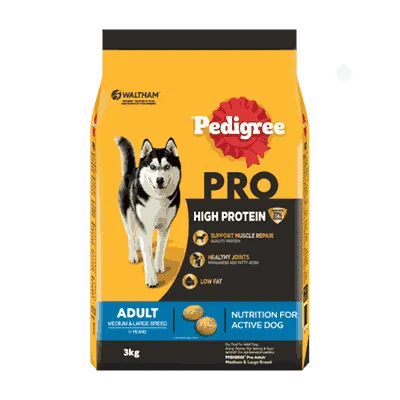
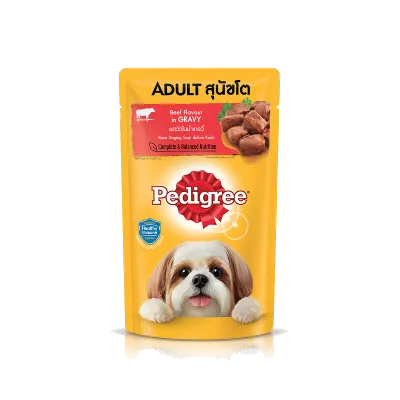
Choose a high-quality commercial dog food with named animal protein as the first ingredient. PEDIGREE® high protein dog food is formulated for optimal protein levels. Always consult your vet before dietary changes.